Japanese Paper Cutting: Kirie and Kirigami
Japanese paper cutting, known as “kirie” or “kirigami,” has a rich history dating back to 610 AD. Let’s delve into the origins and evolution of this intricate art form.
Kirie Diversity: An Overview
Though ‘Kirie’ may be summed up in a single word, in reality, there are various techniques involved.
This art form extends beyond simply cutting paper to create images; it encompasses diverse approaches. The pieces crafted through these different methods showcase unique beauty and complexity.
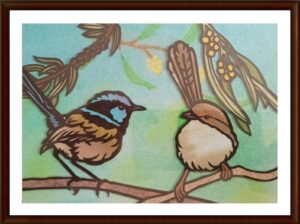
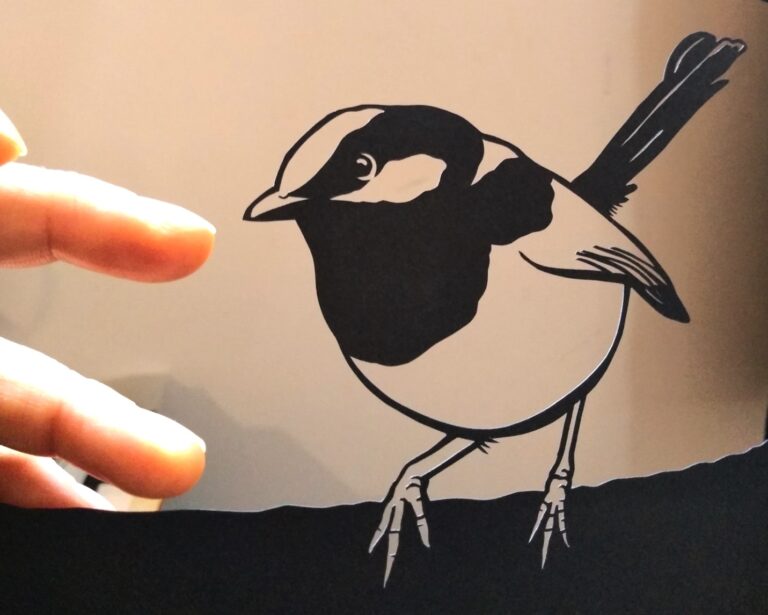
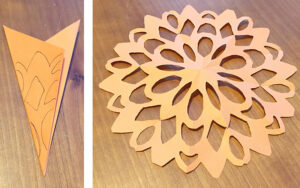
Artists express ‘Kirie’ in their distinct styles—meticulously cutting a single sheet of paper, layering multiple sheets, or folding and forming intricate patterns. The diversity within this art captivates observers, offering fresh perspectives.
The diversity within this art captivates observers, offering fresh perspectives.

Roots in History: The Arrival of Tesuki Washi
The inception of kirie can be traced back to the introduction of tesuki washi paper in Japan, brought by Doncho, a Buddhist monk from Korea, after 610 AD. Discover how this event marked the beginning of a transformative journey in Japanese paper cutting.
Commercialization of Paper Making: Crafting Expertise by 800 AD
By 800 AD, the Japanese had not only embraced tesuki washi but also commercialized the art of paper making. Explore how their unparalleled skills led to the rapid development of paper cutting techniques, giving birth to kamikiri and other related practices during the Edo period.
Sekishu Washi: A UNESCO Cultural Asset
Contrary to popular belief, the globally used paper for cutting and various applications is not tesuki washi but Japanese Sekishu washi. Learn about its origins in the Sekishu region and its recognition as a UNESCO Intangible Cultural asset in 2009.
The Allure of Kirie
Kirie is easily accessible to everyone, thanks to the abundance of free patterns suitable for beginners. It provides a simple and enjoyable entry point for anyone interested in trying their hand at this art form.
As you delve into the world of Kirie, not only will you find it immersive, but you’ll also experience a sense of achievement and fulfillment. The process not only serves as a creative outlet but also offers potential benefits such as stress relief and enhanced autonomic nervous system function.
Moreover, the joy of framing the finished pieces and incorporating them into your interior decor adds another dimension to the experience. Kirie becomes not just a creative pursuit but a source of satisfaction and a means to enhance your well-being.
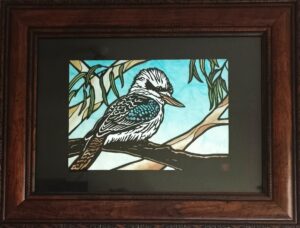
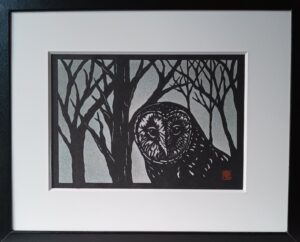
Feeling inspired to give it a try yourself?
Explore the basics of Kirie in our guide on getting started. If you’re intrigued, we invite you to take a closer look. Happy cutting!