Origin of the Art
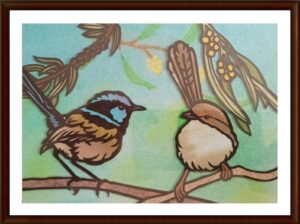
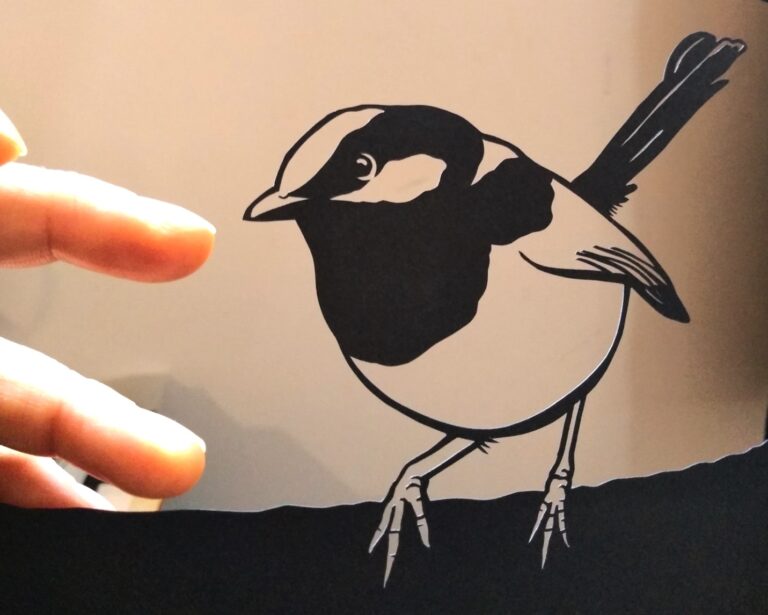
Papercutting, as an art form, has its roots in various cultures. It emerged independently in ancient civilizations such as China, Japan, and medieval Europe, where paper was intricately cut as part of artistic expression.
For more general infmormation, you can explore here.
Chinese Jianzhi
The history of papercutting can be traced back to ancient China with the practice of Jianzhi. Existing as early as the 6th century BCE, Jianzhi found wide use in religious ceremonies and as decorative ornaments, marking the early precursor to papercutting.
Explore related information by visiting here.

The bond Between Washi and Papercutting in Japan
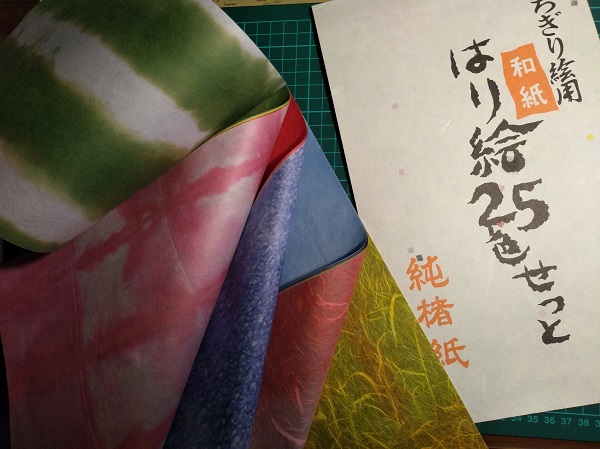
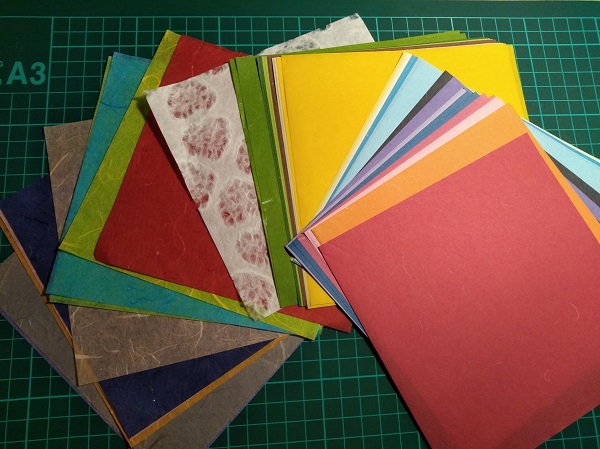
In Japan, a deep connection exists between washi (Japanese paper) and papercutting. The soft texture and lightness of washi make it an ideal material for papercutting, seamlessly integrating with traditional Japanese culture.
For more in-depth understanding of Washi, check out this site.
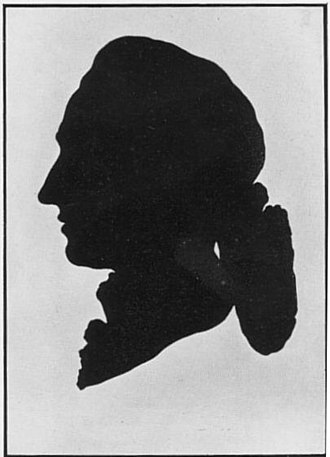
European Silhouette Art
In 18th-century Europe, the popularity of silhouette art soared. This involved cutting shapes from paper that cast shadows, often used for creating portraits and profiles. Papercutting gained widespread appreciation in Europe during this time.
Explore related information by visiting Victoria and Albert Museum website here.

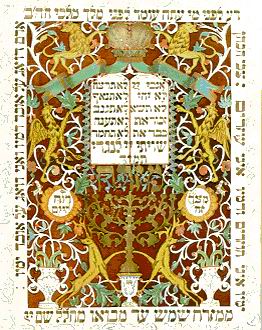
Evolution of Papercutting Art
Papercutting evolved over time, with the 19th-century Victorian era witnessing a trend of decorative and intricate designs. Artists gained recognition, establishing unique styles and contributing to the artistic esteem of papercutting.
Cultural Significance of Papercutting
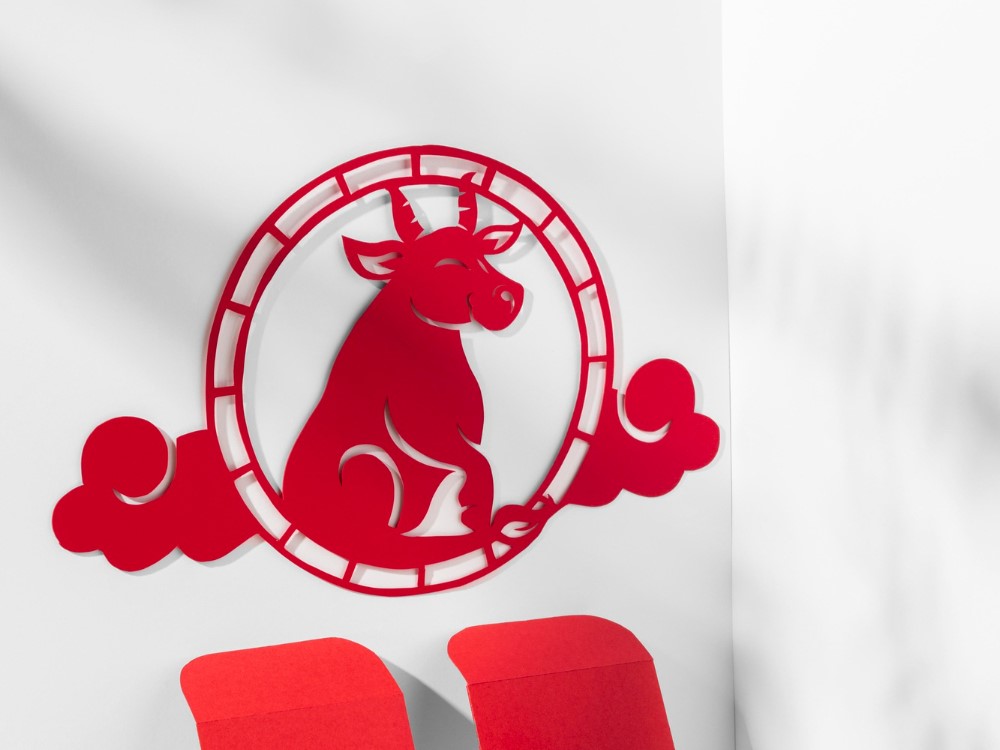
Papercutting is often associated with specific cultural or religious events and is utilized as part of decorations or rituals. Different cultures infuse unique symbolism into papercuts, adding layers of meaning to this art form.
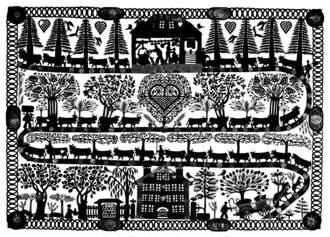
These historical elements illustrate how papercutting has developed and been embraced worldwide, showcasing its diverse journey across different cultures. By exploring these intriguing facts and backgrounds, readers can gain a profound understanding of the rich history behind this art form.