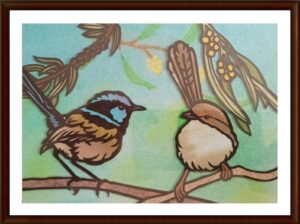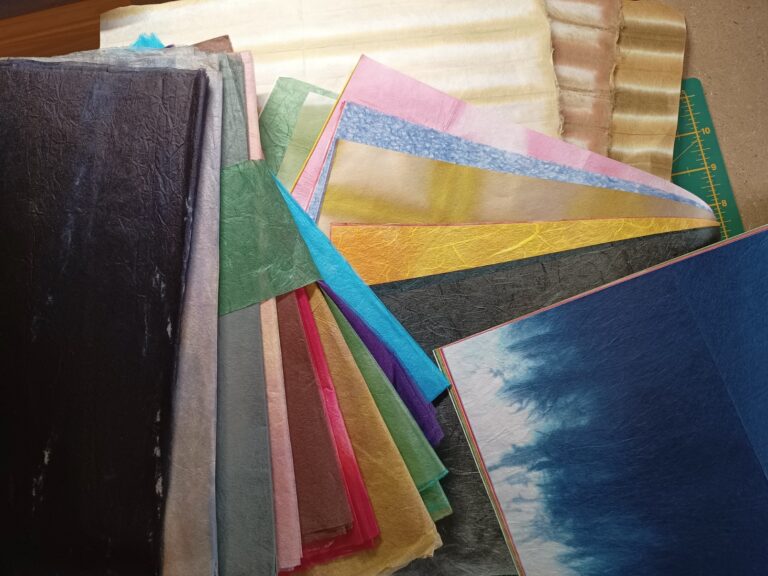
Japanese washi, or 和紙, is a time-honored traditional paper that boasts a rich history and unparalleled craftsmanship. Renowned for its unique qualities, this paper is deeply ingrained in Japanese culture and has captivated artists and artisans worldwide.
A Tale of Tradition
Washi is crafted through a meticulous process that dates back centuries. Traditionally made from the inner barks of plants such as the mulberry tree, gampi tree, and mitsumata shrub, the raw materials undergo a rigorous preparation to transform into the delicate sheets we know as washi.
Versatility in Purpose
Washi is celebrated for its versatility, finding application in various aspects of Japanese life. From traditional art forms like calligraphy and ukiyo-e prints to contemporary uses in interior design, stationery, and even fashion, the adaptability of washi knows no bounds.
Cultural Significance
The cultural significance of washi extends beyond its practical applications. It is deeply interwoven with Japanese rituals, ceremonies, and festivities. The paper is often used in traditional shoji screens, fusuma sliding doors, and as a canvas for renowned artists.
Preservation Efforts
Recognizing the importance of preserving this ancient craft, efforts have been made to safeguard the art of washi-making. Certain regions, such as Gifu Prefecture with its Sekishu-Banshi, have been designated UNESCO Intangible Cultural Heritage sites, ensuring the continued legacy of Japanese washi.
Various Types of Japanese Washi
Japanese washi, celebrated for its exquisite craftsmanship, comes in a variety of types, each with its unique characteristics. Let’s embark on a journey to explore the diverse world of Japanese paper, delving into the different types and their fascinating uses.
Traditional Mulberry Washi (Kozo Washi)
Made from the inner bark of the mulberry tree, Kozo Washi is the most common type of traditional Japanese paper. It is revered for its strength and flexibility, making it ideal for calligraphy, woodblock printing, and shoji screens.
Mitsumata Washi
Derived from the bark of the mitsumata shrub, Mitsumata Washi is known for its smooth texture and absorbent quality. This type of washi is often favored for intricate woodblock prints and delicate applications like conservation work.
Gampi Washi
Crafted from the gampi tree, Gampi Washi is prized for its fine texture and durability. Artists favor this type for its smooth surface, making it suitable for detailed paintings and printing traditional Japanese books.
Chiyogami Washi
Chiyogami Washi stands out for its vibrant colors and intricate patterns. Used primarily for origami, stationery, and decorative purposes, this type adds a splash of visual delight to various creative projects.
Unryu Washi
Unryu Washi is characterized by its long, swirling fibers that give the paper a unique texture. Widely used for calligraphy and creating artistic textures, Unryu Washi adds depth and character to visual expressions.
Contemporary Washi
In contemporary times, Washi has found its way into modern applications such as interior design, fashion, and product packaging. Collaborations between traditional papermakers and contemporary artists continue to push the boundaries of what washi can achieve.
Exploring the Beauty
Whether you’re an artist, a paper enthusiast, or simply intrigued by Japanese culture, the allure of washi is undeniable. Its delicate yet resilient nature and the stories embedded within each sheet make Japanese washi a testament to the enduring spirit of traditional craftsmanship.